
Your research is good. The problem is invisible.
You published. You shared it on ResearchGate or Academia.edu. You posted a thread. And then — nothing. Your work lives in a journal, behind a paywall, inside a citation database that fewer and fewer people open directly.
Meanwhile, here's what's happening:
- A PhD student asks ChatGPT about a topic you've spent five years on. Your name doesn't come up. You don't get cited.
- A grant panel convenes. The reviewers are vaguely familiar with the established names in your field. Yours isn't one of them. You don't get funded.
- A researcher at another institution is working on the exact problem you solved two years ago. They've never heard of you. You don't get the collaboration.
This isn't a talent problem. It's a visibility problem.
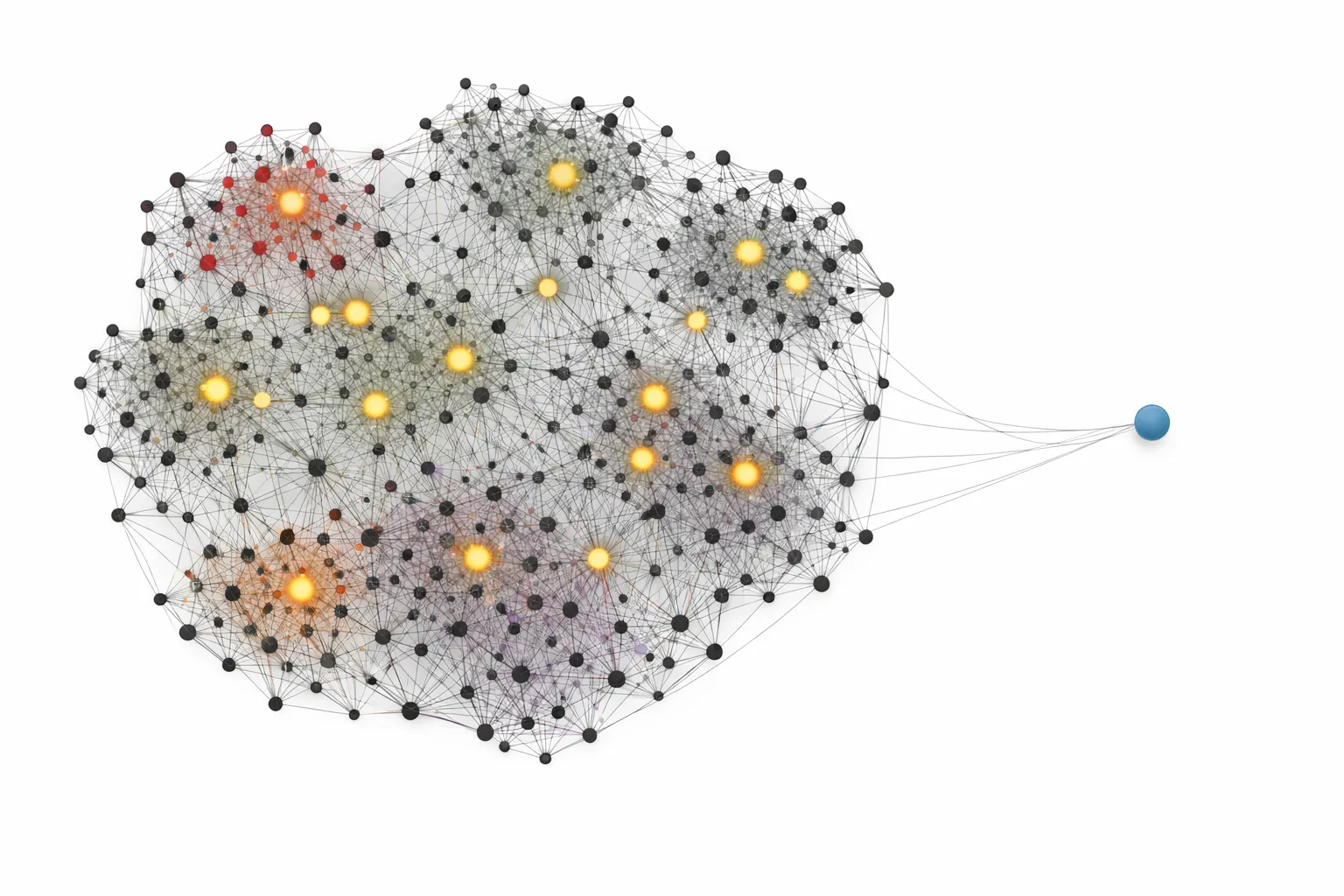
The AI search shift is making this worse, not better
Until recently, "being visible" meant being in the right journals and showing up in Google Scholar. Platforms like Academia.edu made that easier — upload your papers, get a profile, wait for people to find you. That model is no longer sufficient.
Academia.edu is passive infrastructure. You upload, you wait. Discovery happens if someone already knows to look for you. It's a library, not a strategy.
"To put it bluntly, I have no idea if these sites have any impact whatsoever on my career — I tend to doubt they do — but I enjoy knowing that my work is being discussed."
— Laura Warman, ecologist, University of Hawaii — Van Noorden, Nature, 2014
#1
reason researchers use ResearchGate and Academia.edu: maintaining a profile 'in case someone wanted to get in touch.' Not building visibility. Waiting to be found.
Van Noorden, Nature, 2014 — survey of 3,500 researchers
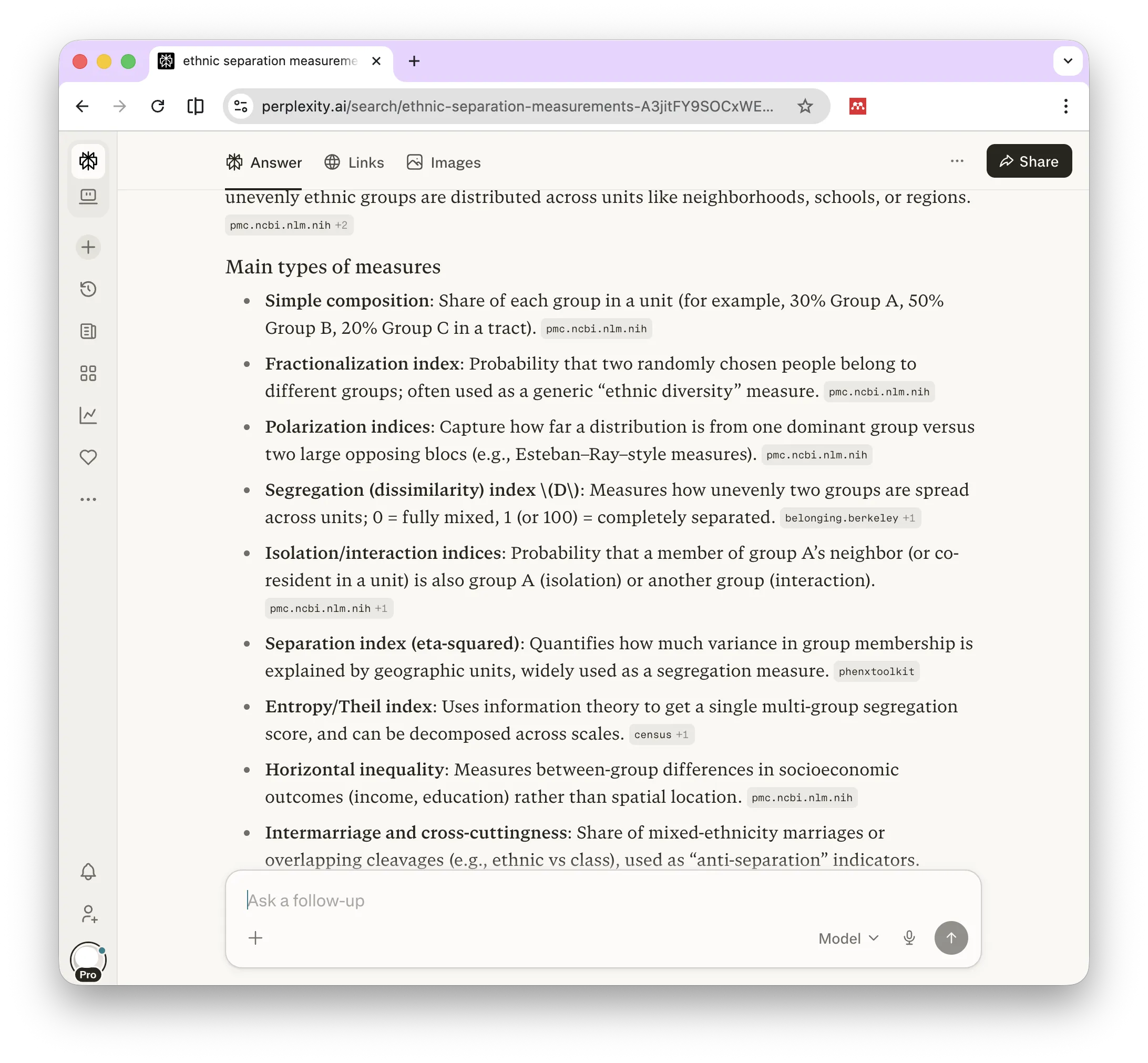
AI-powered search — ChatGPT, Perplexity, Google AI Overviews — is increasingly where researchers, students, and institutions discover work. These tools don't surface content from paywalled journals or Academia.edu profiles. They surface content from public discussions, accessible summaries, Reddit threads, LinkedIn posts, and blog articles.
Researchers who understand this are already acting on it. The window to build an advantage is open now.
No credit card required.
Loud Camel: strategic scholarly presence, delivered to your inbox.
Loud Camel is a recurring intelligence brief that tells you exactly who to reach, where your work should be visible, and what to say. You act. Nothing happens without you. Your name, your words, your judgment — every time.
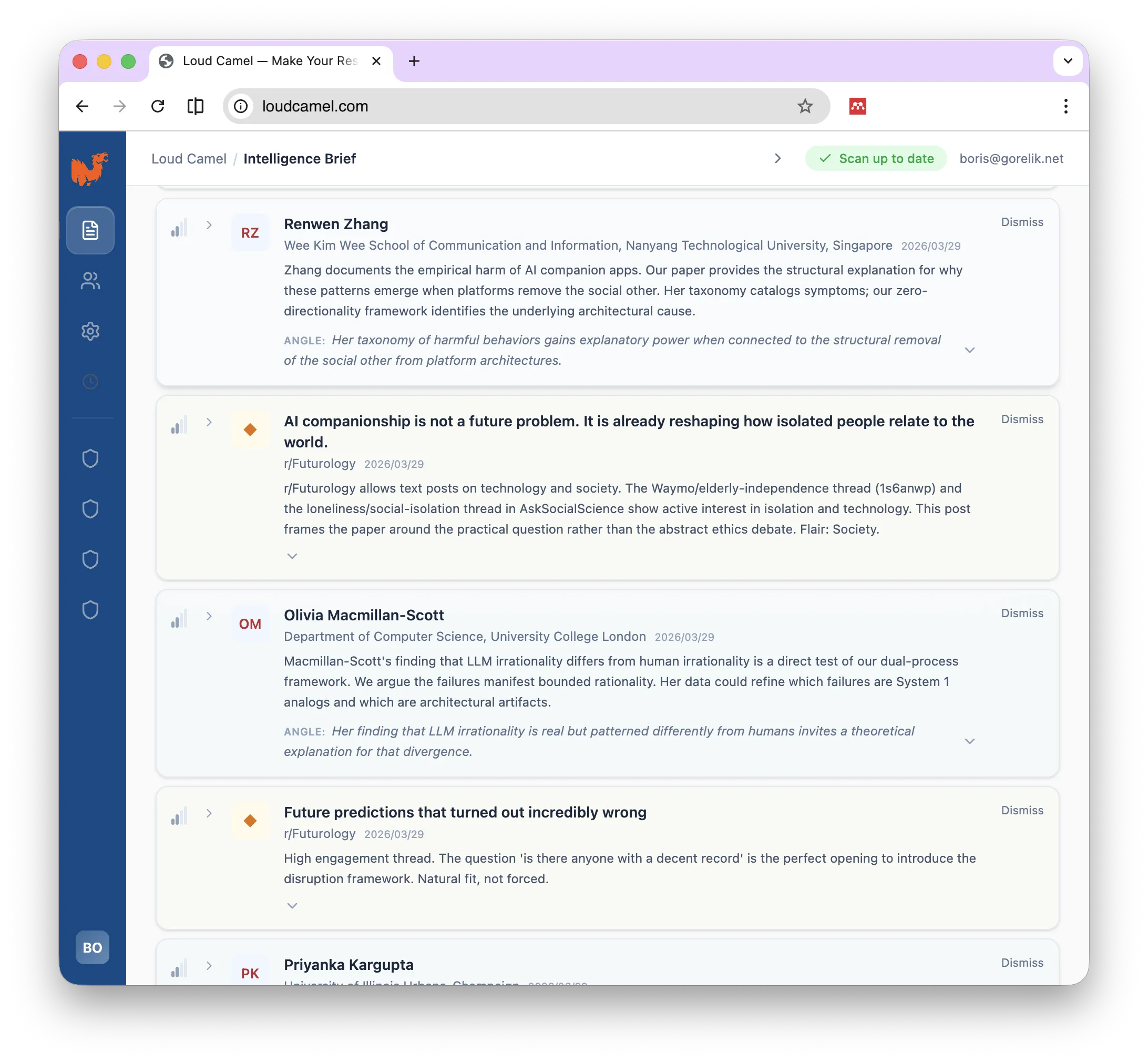
Each brief contains:
New relevant scholars
People whose recent work connects to yours, with a clear explanation of why they're relevant now — not just 'same field' but 'published on this specific topic three weeks ago, relevant to your 2023 paper.'
Reconnection opportunities
Dormant contacts worth re-engaging, surfaced because something changed: a new publication, a role shift, a conference coming up. Timed reasons to reach out.
Visibility actions
Specific places where a comment, a post, or an accessible summary of your research would make it findable — for AI search engines and for researchers browsing active discussions.
Ready-to-use drafts
Outreach emails, Reddit comments, LinkedIn posts, blog excerpts — each grounded in your actual research, written to your tone preferences. You review, edit, and send — or don't. You decide. Nothing goes out without your explicit approval. Ever.
How it works
- 1
You share your research
Provide a publication list and a short brief: your preferred tone, geographic focus, and what you care about most — citations, grant visibility, collaborations, or all three.
- 2
We scan and interpret
The system monitors your field for new publications, active discussions, and people relevant to your work. It identifies who matters and why, then prepares content and drafts tailored to your specific research.
- 3
You receive the brief
A focused, curated digest arrives on a recurring schedule. You review it, act on what fits, skip what doesn't. No learning curve. No new tools to manage.
No programming. No AI prompting skills required. You provide the research — we deliver the brief.
No credit card required.
"I tested it on myself: the reply rate was high, and one collaboration is already confirmed."
"Every researcher who cares about their academic career must be using this tool."
Join the early testers. No credit card required.
This tool was built for three kinds of researchers. You're probably one of them.
Mid-career researcher
Assistant professor, senior postdoc, lecturer
Your work is good — the citations and recognition aren't reflecting that yet. You feel the gap between the quality of your research and where you should be. That gap is a visibility problem.
This is me ↓Early-career researcher
Postdoc, new faculty, advanced PhD
You're operating within your advisor's network, but you need to build your own. Your work may be excellent but it isn't findable outside your immediate circle — and it won't be until you build presence in the places that compound.
This is me ↓Established researcher
Tenured faculty, senior lecturer, late-career
You have a network, but it reflects past collaborations, not current work. The people reviewing your grants may not know what you're doing now. You need strategic reconnection — without spending hours you don't have.
This is me ↓Works even if you don't collaborate. Citations, grant recognition, and evaluator familiarity matter regardless of how you work.
If you're a mid-career researcher
Your research is good. The question is who knows about it.
You're 3–10 years post-PhD. You're publishing. You have some recognition. But citations are lower than they should be for the quality of your work, and the people making decisions about your grants, tenure, or promotion don't know your recent research directions.
You've tried staying visible — sharing preprints, posting occasionally, going to conferences. But visibility fades after each publication burst, and you can't sustain the effort. The gap between what your work deserves and what it receives is frustrating precisely because it's not a quality problem.
Keeping your research visible to the people who evaluate it is career management, not self-promotion. It's something you have to do, one way or another. The question is how much of your time it takes.
This applies even if you work solo or in a field where collaboration isn't the norm. You still need citations. You still need grant reviewers who recognize your name.
- → Identifies scholars whose recent work connects to yours — with a specific reason why they matter now
- → Builds continuous presence in the places AI search engines and researchers actually look
- → Provides ready-to-use outreach drafts grounded in genuine shared research interests
No credit card required.
If you're an early-career researcher
Your work is good. The citations aren't reflecting that yet.
At this stage, visibility isn't optional — it's infrastructure. Citations, grant reviews, conference invitations: all of these depend on people knowing your work exists. Building that presence is your responsibility, and your advisor's network will only take you so far.
You want to reach senior researchers in your area but reaching out cold feels presumptuous without a genuine hook. You share preprints and conference papers but they're not generating the citations or recognition you expected.
AI search is reshaping how people find work in your field. When someone asks ChatGPT or Perplexity a question in your area, your work should come up. Right now, it probably doesn't.
- → Builds your scholarly presence from the ground up — in the places that compound over time
- → Provides genuine outreach drafts that make first contact feel natural, not awkward
- → Makes your work findable by AI search engines: ChatGPT, Perplexity, Google AI Overviews
- → Surfaces exactly the right people to contact, with a real reason to do it now
No credit card required.
If you're an established researcher
Your network exists. The problem is it reflects who you knew five years ago.
The people reviewing your grants may not know you've shifted research directions. The editors handling your submissions are familiar with names from the last decade, not this one. The weak ties that once opened doors have gone quiet.
You don't have time to fix this manually. You don't want to feel like you're networking — it's beneath the work. But prior informal exposure to reviewers changes outcomes, and right now you're not getting it.
- → Surfaces likely grant reviewers and peer reviewers in your area — before you need them
- → Reconnects dormant ties with specific, timely reasons that don't feel like cold outreach
- → Creates natural touchpoints so your name is already known when it matters
No credit card required.
You've probably tried some version of this before. Here's why it didn't stick.
| Loud Camel | Manual effort | Generic AI tools | |
|---|---|---|---|
| Citation visibility | Systematically builds findability in places LLMs index | Sporadic when you remember | Only when you prompt it — no continuity |
| Evaluator exposure | Identifies likely reviewers and creates natural touchpoints | Guesswork, no field-level view | No awareness of your field's evaluation landscape |
| Ongoing presence | Continuous monitoring, recurring briefs | Depends on motivation — usually fades | No memory, no monitoring |
| Reconnection | Surfaces dormant contacts with timely reasons | You'd have to remember who you lost touch with | No awareness of your network history |
| Personalization | Every suggestion references specific papers and explains the connection | Full quality — but 30+ minutes per person | Generic, no awareness of your actual research |
| Control | You review, edit, approve, and send everything | Full control at full effort | Full control, no research context |
| Technical skill | None required | None | Requires prompting skill and context management |
Your research shouldn't be invisible between publications. No credit card required.
We will never send anything on your behalf.
This is not a bot that posts in your name or sends emails without you reading them first. Every draft is for your eyes. You edit it. You decide whether to send it. You set the pace.
Five things that are always true:
- 1.Nothing is sent or published unless you approve it
- 2.Every suggestion is grounded in real, specific research relevance — not keyword matching
- 3.The system uses only your publicly available titles and abstracts
- 4.You control what research to include and what goals to prioritize
- 5.You can stop at any time
Academic reputation is not something to gamble with. Loud Camel is designed by a researcher, for researchers, with credibility as a non-negotiable constraint.
You're always in control. No credit card required.
Built by a researcher who needed this tool and couldn't find it.
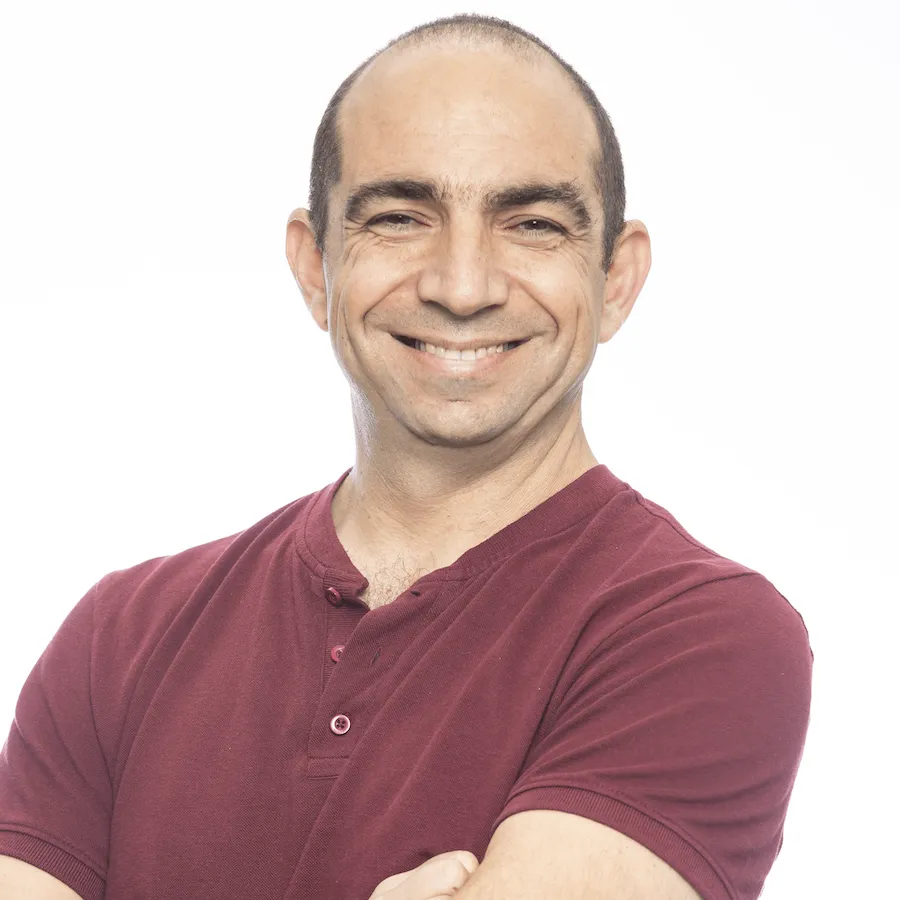
Loud Camel was created by Boris Gorelik, PhD — a data scientist with two decades of experience across life sciences, cybersecurity, and social network analysis. At 49, Boris returned to academia and faced a problem he hadn't anticipated: his skills and track record were solid, but his scholarly visibility had eroded. The people who needed to know his work didn't.
Rather than accept the gap, he applied the same tools he'd spent his career building — AI, network analysis, automated research pipelines — to the problem of scholarly presence. The results were immediate: relevant connections surfaced, outreach landed, a collaboration confirmed.
He built Loud Camel because the problem wasn't unique to him. Every researcher faces it. Most don't have the technical background to solve it themselves. Now they don't have to.
The name? We needed one. Camels are cool. Loud ones get remembered.
Simple, transparent pricing. Starting at $42/month.
No credit card required to start. Cancel anytime. 30-day money-back guarantee on all paid plans.
28%
more citations — the measured effect of targeted article promotion in a randomized controlled trial of 3,200 peer-reviewed articles across 64 journals, sustained at 36 months.
Kudlow, Brown & Eysenbach, Journal of Medical Internet Research, 2021
- → Your feedback directly shapes what gets built
- → Acknowledged as a founding user
To put the price in context: one conference registration typically costs $500–$1,500. A single hour with a grant writing consultant runs $150–$300. At $42/month, Loud Camel works continuously in the background, year-round.
Start now. It takes less than 10 minutes.
Enter your email below. We'll send you a sign-in link — no password required. Once you're in, we'll take you through the process. Your first brief follows from there.
Starting at $42/month. No credit card required. No automated sending — ever.
Questions? Write to us at boris@loudcamel.com